

From Dust to Data: How Technology is Revolutionizing Modern Archaeology
Archaeology has always been about uncovering the past, but the way we explore history has changed dramatically in recent years. Gone are the days when archaeologists relied only on shovels, brushes, and manual excavation. Today, technology is transforming archaeology into a high-tech science.
Modern archaeologists now use advanced tools like drones, 3D scanning, satellite imaging, and artificial intelligence to discover, analyze, and preserve ancient civilizations. These innovations are helping researchers uncover secrets that were once impossible to find.
What is Modern Archaeology?Modern archaeology is the study of human history using both traditional methods and advanced technology. It focuses not only on discovering artifacts but also on understanding the cultural, social, and environmental context of past civilizations.
Technology has made it possible to explore deeper, faster, and more accurately than ever before.
Why Technology Matters in Archaeology
Technology plays a crucial role in improving the efficiency and accuracy of archaeological work. It helps researchers minimize damage to sites while collecting valuable data.
- Reduces the need for destructive digging
- Improves accuracy of discoveries
- Saves time and effort
- Enhances preservation of artifacts
1. Satellite Imaging and Remote Sensing
Satellite technology allows archaeologists to study large areas without physically visiting them. Using high-resolution images, researchers can identify hidden structures beneath the ground.
For example, ancient cities buried under forests or deserts can now be detected using satellite data.
Learn more about remote sensing at NASA.
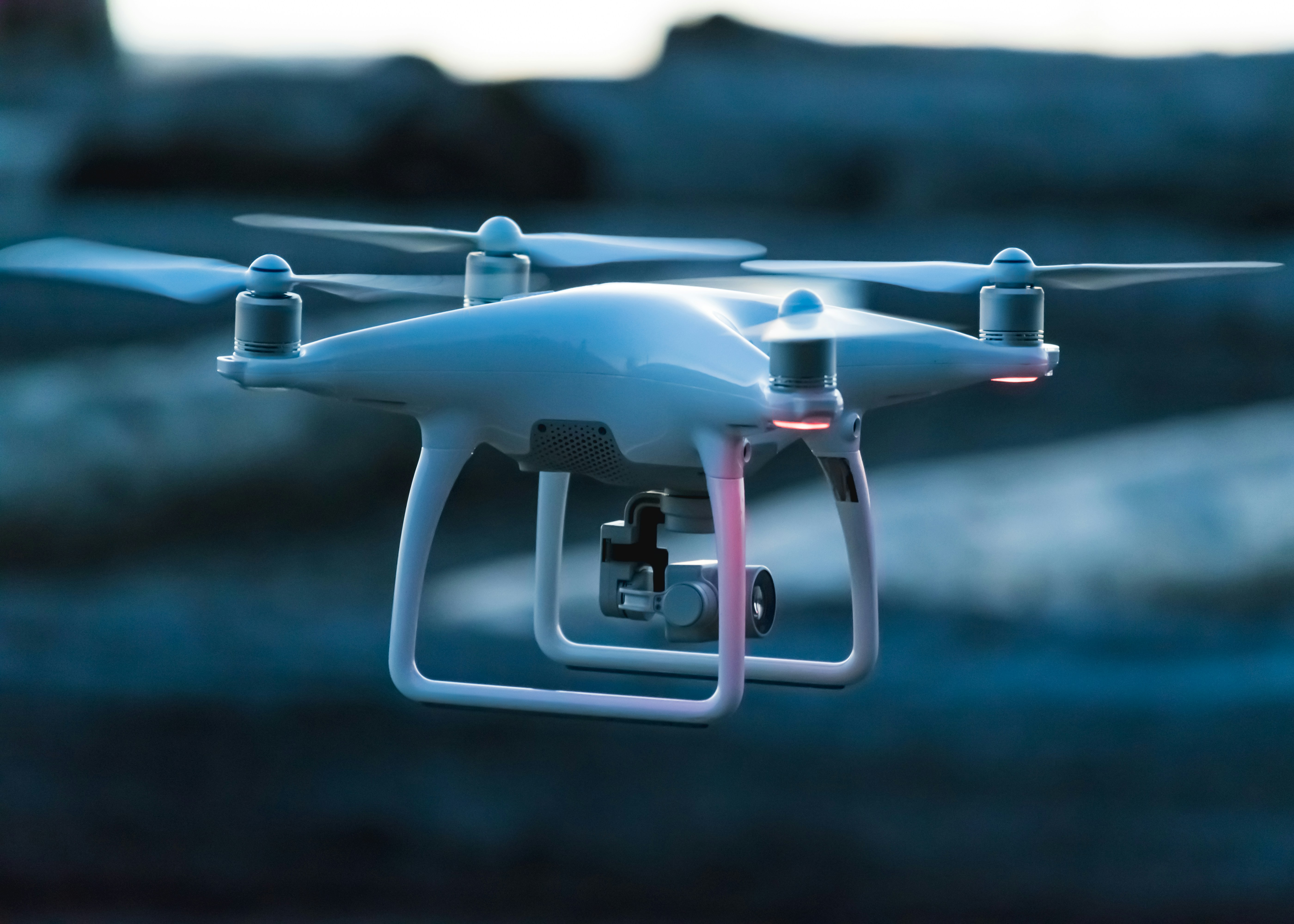
2. Drones in Archaeology
Drones have become a powerful tool in archaeological research. They provide aerial views of excavation sites and help create detailed maps.
- Capture high-quality images
- Monitor excavation progress
- Access hard-to-reach locations
Drones are especially useful in dangerous or remote areas where human access is limited.
3. 3D Scanning and Modeling
3D scanning technology allows archaeologists to create digital models of artifacts and historical sites. These models can be studied without physically touching the objects.
This helps in preserving fragile artifacts and sharing them with researchers worldwide.
4. Ground Penetrating Radar (GPR)
Ground Penetrating Radar is used to detect objects buried underground. It sends signals into the ground and records reflections to identify structures.
- Find buried walls and structures
- Detect graves and hidden chambers
- Reduce unnecessary excavation
5. Artificial Intelligence and Data Analysis
Artificial Intelligence (AI) is now being used to analyze large amounts of archaeological data. AI can identify patterns and predict locations of ancient sites.
This makes research faster and more efficient.
Explore AI applications at IBM AI.
6. Virtual Reality (VR) and Augmented Reality (AR)
VR and AR technologies allow people to experience ancient civilizations in immersive ways. Museums and educational institutions use these tools to recreate historical environments.
- Virtual tours of ancient cities
- Interactive learning experiences
- Better public engagement
7. DNA Analysis and Bioarchaeology
Modern technology has also revolutionized the study of human remains. DNA analysis helps scientists understand ancestry, migration, and health of ancient populations.
This adds a new dimension to archaeological research.
Challenges of Technology in ArchaeologyWhile technology has many advantages, it also comes with challenges:
- High cost of advanced tools
- Need for technical expertise
- Data management issues
- Risk of over-reliance on technology
The Future of Archaeology
The future of archaeology looks promising as technology continues to evolve. Innovations like machine learning, robotics, and advanced imaging will further enhance research capabilities.
Experts believe that future discoveries will rely heavily on digital tools and data analysis.
Read more about archaeological advancements at National Geographic.
Conclusion
Technology has completely transformed modern archaeology. It has made discoveries faster, safer, and more accurate. From satellite imaging to AI, these tools are helping us uncover the mysteries of the past like never before.
As we move forward, the combination of human curiosity and technological innovation will continue to reveal new insights into our history.
In simple words, technology is not replacing archaeology — it is making it more powerful.


0 Comments